
Educating Patients on Indications for Custom Soft Lenses
By Corey Alvis, NCLC
Although soft lenses were once considered inferior to glasses and GPs, they have proven time and again to be effective in a wide range of scenarios. While many patients and practitioners believe soft contacts are only for mild to moderate refractive errors, nothing could be further from the truth.
With ever changing technology, soft lenses have evolved to provide everything from cosmetic enhancement to disease management. Lenses are available in specialty designs to account for higher powers, post-surgical, and even keratoconus patients. Custom-made soft lenses have made the possibilities seem almost limitless, even for patients historically dismissed as not “ideal candidates.”
Success with these lenses is often quite easily achieved, but taking precise measurements and educating the patients is paramount
Key Measurements
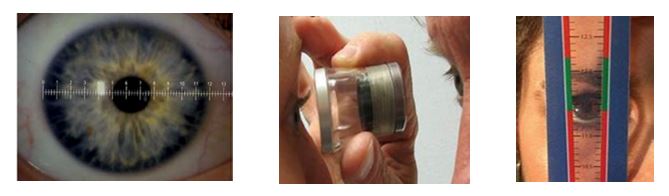
- In addition to the usual keratometry data, all patients should have an HVID (horizontal visual iris diameter) measurement taken.
- Those in need of multifocals should have a photopic and scotopic pupil measurement taken.
Patient Education
- Patients are much more compliant and amenable when properly informed.
- Custom lenses will be as unique as their wearers, creating a myriad of opportunities to better inform your patients.
Patients with higher refractive errors often believe they cannot wear soft lenses, but custom soft lenses can be made in very high powers, up to 30 diopters with over 10 diopters of cylinder. Informing patients on the benefits of these lenses could greatly improve their quality of life. They will not only see great, but their often-cumbersome glasses will no longer impede their abilities. Practitioners can create excitement by discussing improvements in lifestyle.
Another group of patients often dismissed for soft lens wear are Irregular cornea patients. Many are unhappy in glasses and unwilling to try gas permeable or other lens options. But, there are healthy custom soft lens options available for oblate shaped post-surgical corneas, keratoconus, and a myriad of other corneal conditions. In many cases, vision achieved is just as good, if not better, than glasses. High oxygen materials reduce concerns of oxygen deprivation to compromised corneas. Many times, these patients spend their entire lives believing they were forced to compromise vision for comfort, but with these custom soft lens designs that is no longer the case.
Custom tints are available as well for:
- Aniridia
- Coloboma
- Alleviation of photo sensitivity, migraines, and color deficiency
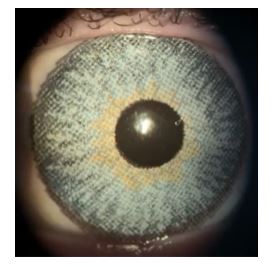
For patients with physical ocular issues, custom printing can be done to emulate the iris, provide full or partial occlusion and cover physical abnormalities. Not only are these patients often the most excited about the benefits of a custom tinted lens, these lenses can provide a sense of normalcy and social acceptance for the patient.
Finding the right way to connect with patients is an art. An engaged patient will learn more, be more compliant, and even aid in the fitting process. Open ended questions allow the patient to be more involved in the fitting process and provides a feeling of accomplishment in creating their own solution. Once needs are identified, a tailored approach can be created for each individual patient.



Other News
Troubleshooting Tips for Ortho-K
Here’s a few tips to help the consultant determine what changes should be made for specific situations.
Getting Started with Ortho-K
When establishing a vendor relationship with a orthokeratology manufacturer, there are several important factors to consider.
Application and Removal of Ortho-K Lenses
Proper application, removal, and hygiene are instrumental in the patient's long-term success with orthokeratology.